Science at Parkfields
The Science department at Parkfields wish to create knowledgeable, scientifically literate and technologically capable problem solvers. Individuals who are fully equipped to live in their modern world so they can reach their potential and make a difference to the lives of others. To do this we nurture innate curiosity and bring current, real world science into the classroom through a rich diet of teaching resources and opportunities. We want our pupils to be informed citizens capable of analysing, evaluating and making well-reasoned judgements.
Photo by Vadim Gromov on Unsplash
The Science Curriculum
A high-quality science education provides the foundations for understanding the world through the specific disciplines of biology, chemistry and physics. Science has changed our lives and is vital to the world’s future prosperity, and all pupils should be taught essential aspects of the knowledge, methods, processes and uses of science. Through building up a body of key foundational knowledge and concepts, pupils should be encouraged to recognise the power of rational explanation and develop a sense of excitement and curiosity about natural phenomena. They should be encouraged to understand how science can be used to explain what is occurring, predict how things will behave, and analyse causes.
Our curriculum in science aims to ensure that all pupils:
-
develop scientific knowledge and conceptual understanding through the specific disciplines of biology, chemistry and physics:
-
develop understanding of the nature, processes and methods of science through different types of science enquiries that help them to answer scientific questions about the world around them;
-
are equipped with the scientific knowledge required to understand the uses and implications of science, today and in the future.
Curriculum Overview

|
Curriculum Overview - Science - Whole School | [pdf 38KB] |

|
|
|
Curriculum Overview - Science - Year 5 | [pdf 72KB] |
|
|
|
Curriculum Overview - Science - Year 6 | [pdf 74KB] |
|
|
|
Curriculum Overview - Science - Year 7 | [pdf 98KB] |
|
|
|
Curriculum Overview - Science - Year 8 | [pdf 84KB] |
|
Science Enrichment


IET Faraday Challenge Year 8 - October 2023
We left for All Saints at 8:30am on Tuesday 3rd of October. When we arrived we were guided to the main hall where we were briefed with the competition 's rules and the prize (£1000 for the school). The brief was to design a new piece of engineering to help road safety. After assigning different roles to our group we started to design our idea. We were given 120 Faradays to purchase items to make a prototype of our design. We had a slow start and accidentally purchased a motor we did not need but after break time we came back focussed and made loads of progress. We made a working circuit with 2 LEDS powered by solar energy. After lunch we concentrated on presenting our idea. Max and Mathew made a script to read out and Lilia, Maddie, Phillip and Rachael made final adjustments to the prototype. In the end we presented our design as an elevated cycle path with lights on the side to light up the roads at night powered by solar energy. We ended up winning and are through to the next round all thanks to Max Butler, Mathew Ingram, Philip Spalding, Lilia Sychevska, Maddie Coombes , Rachael Cooney and Mrs Cao.
By Rachael Cooney Y8
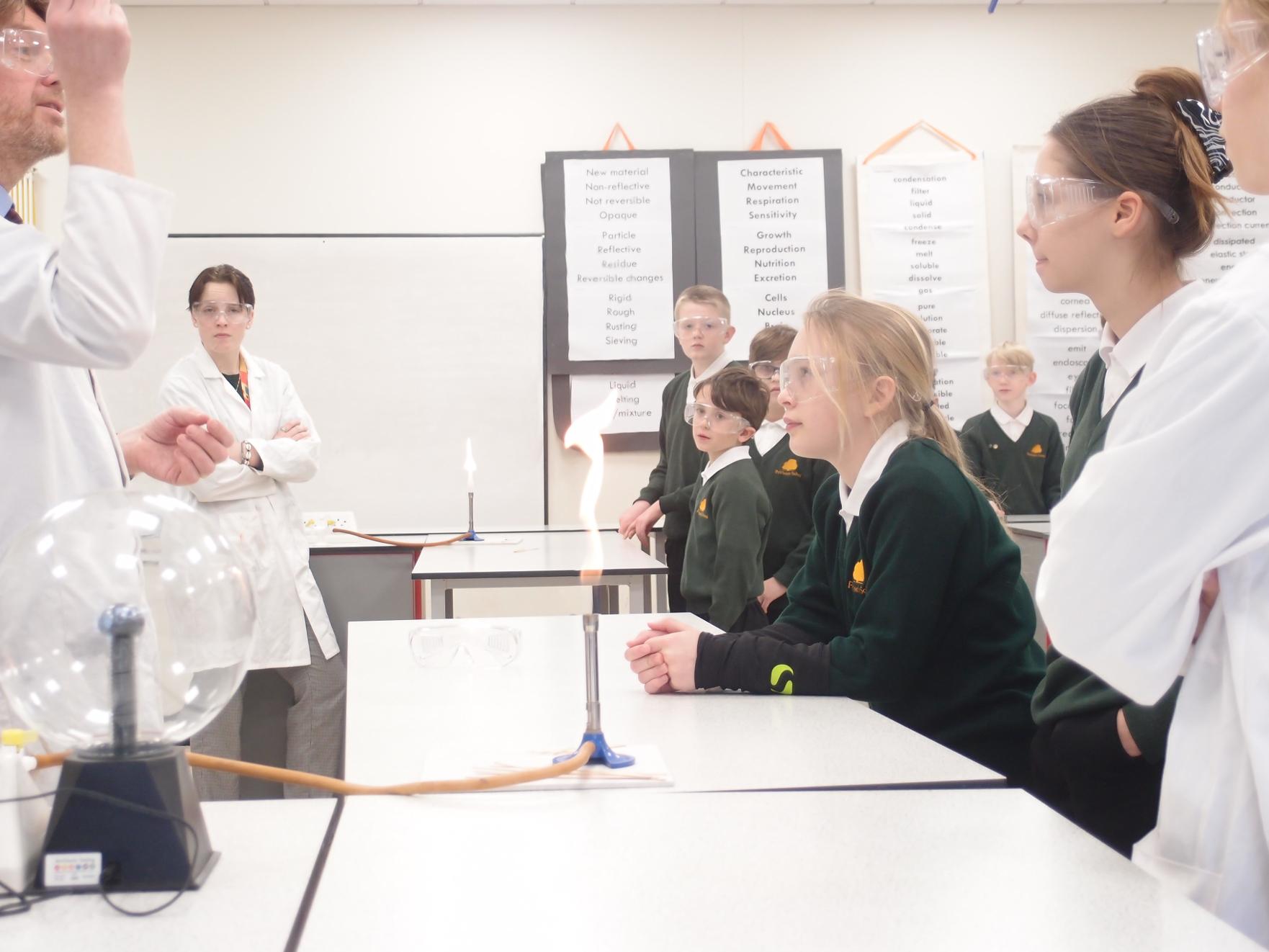
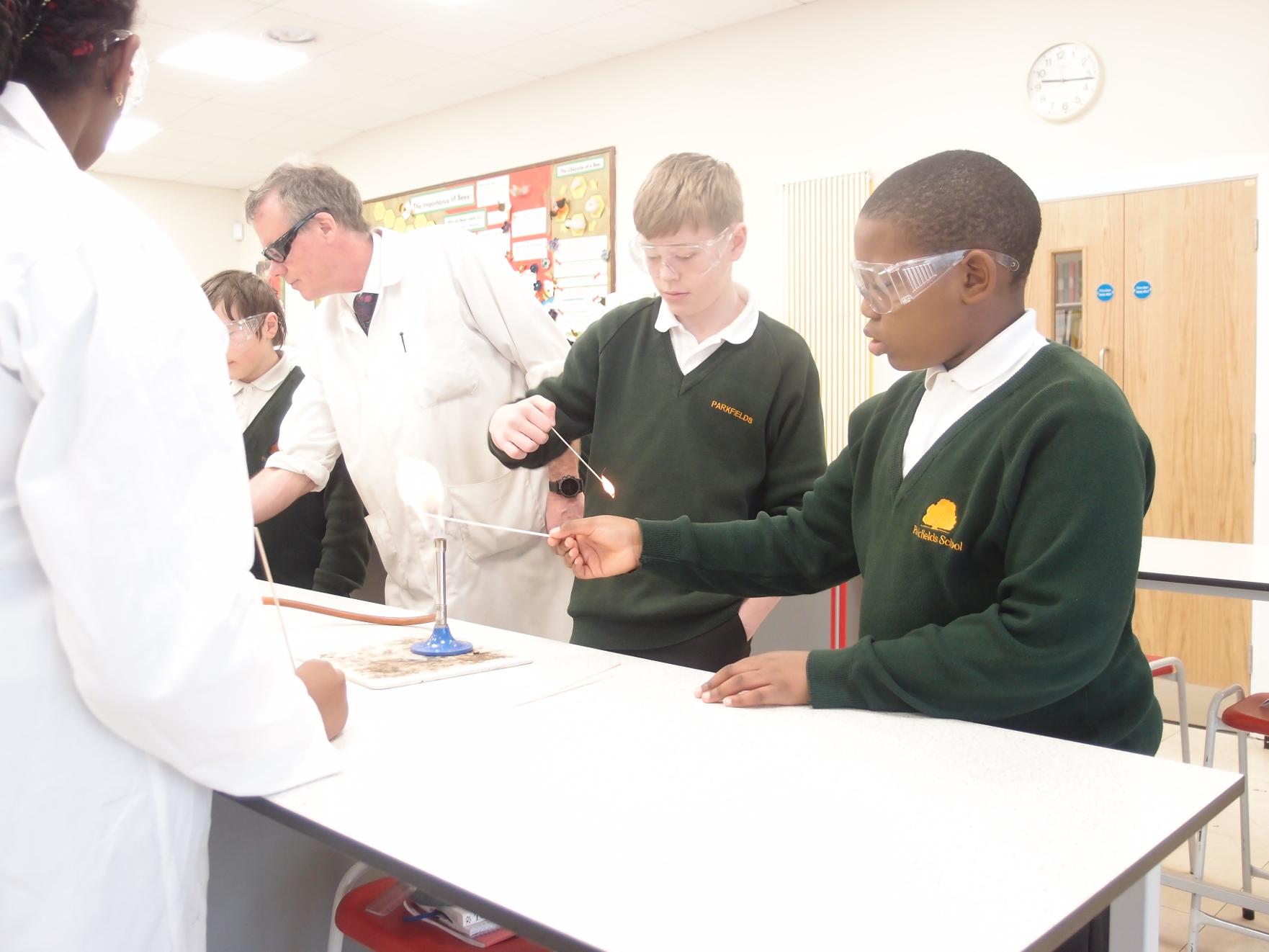
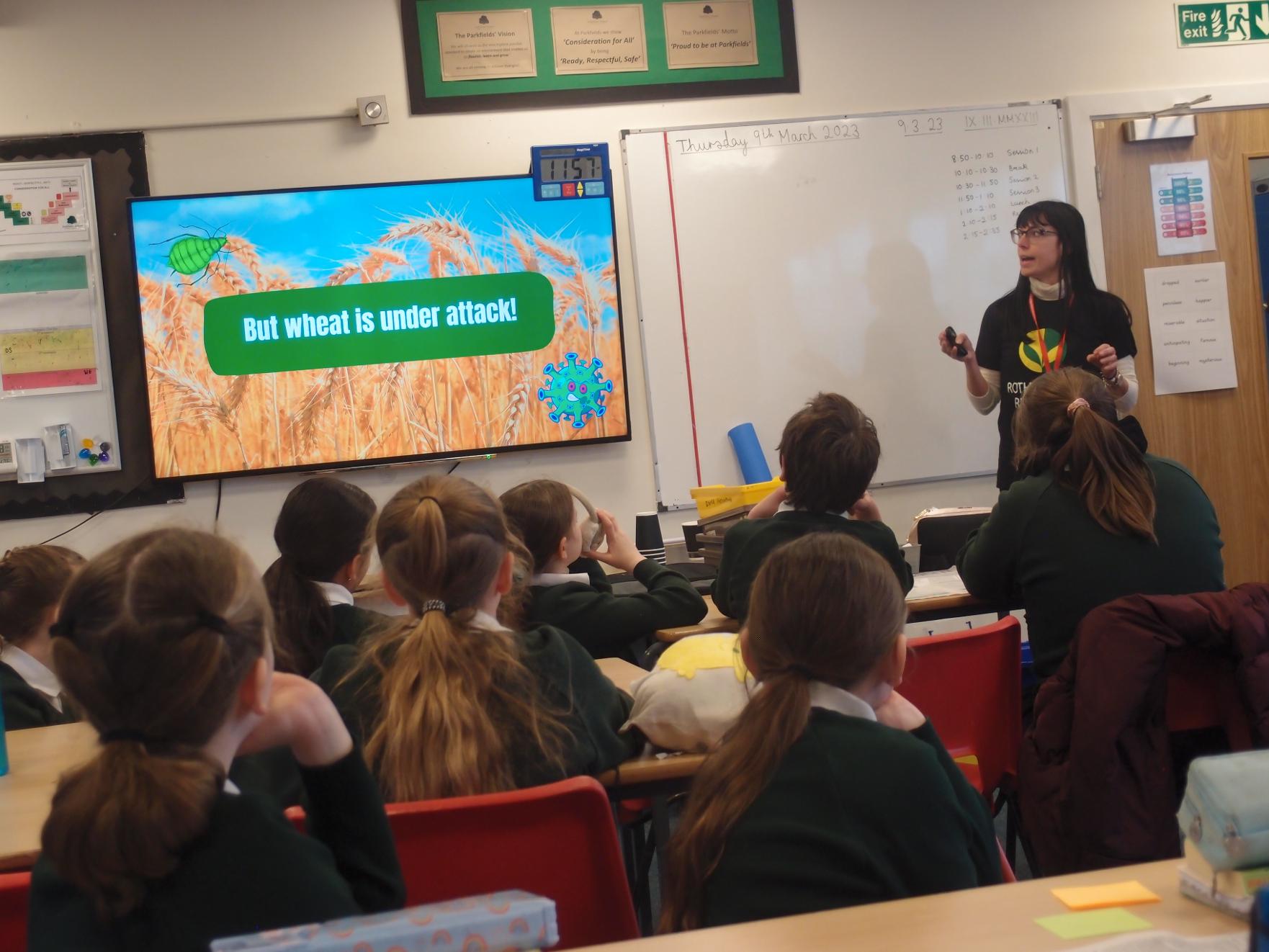
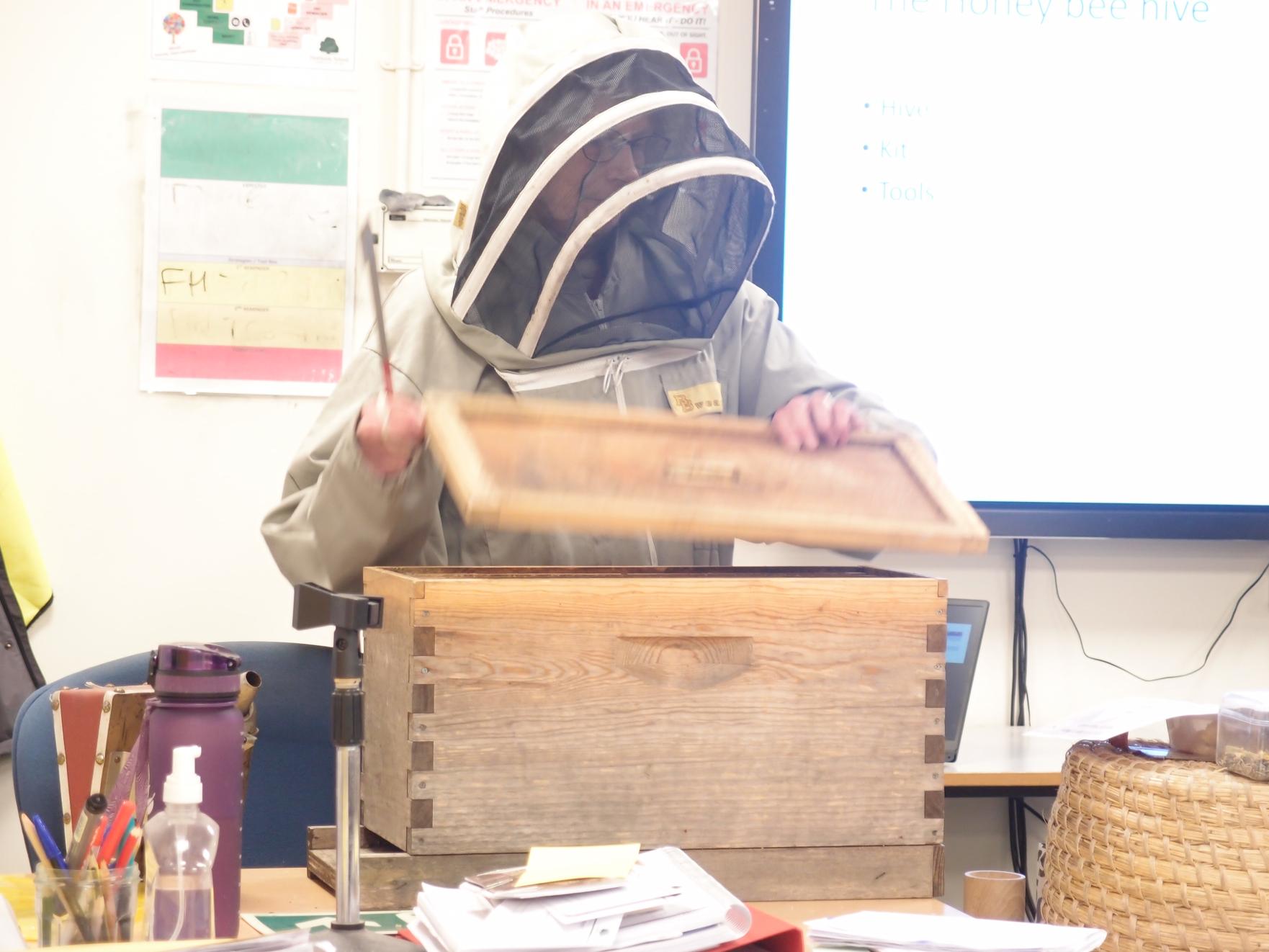
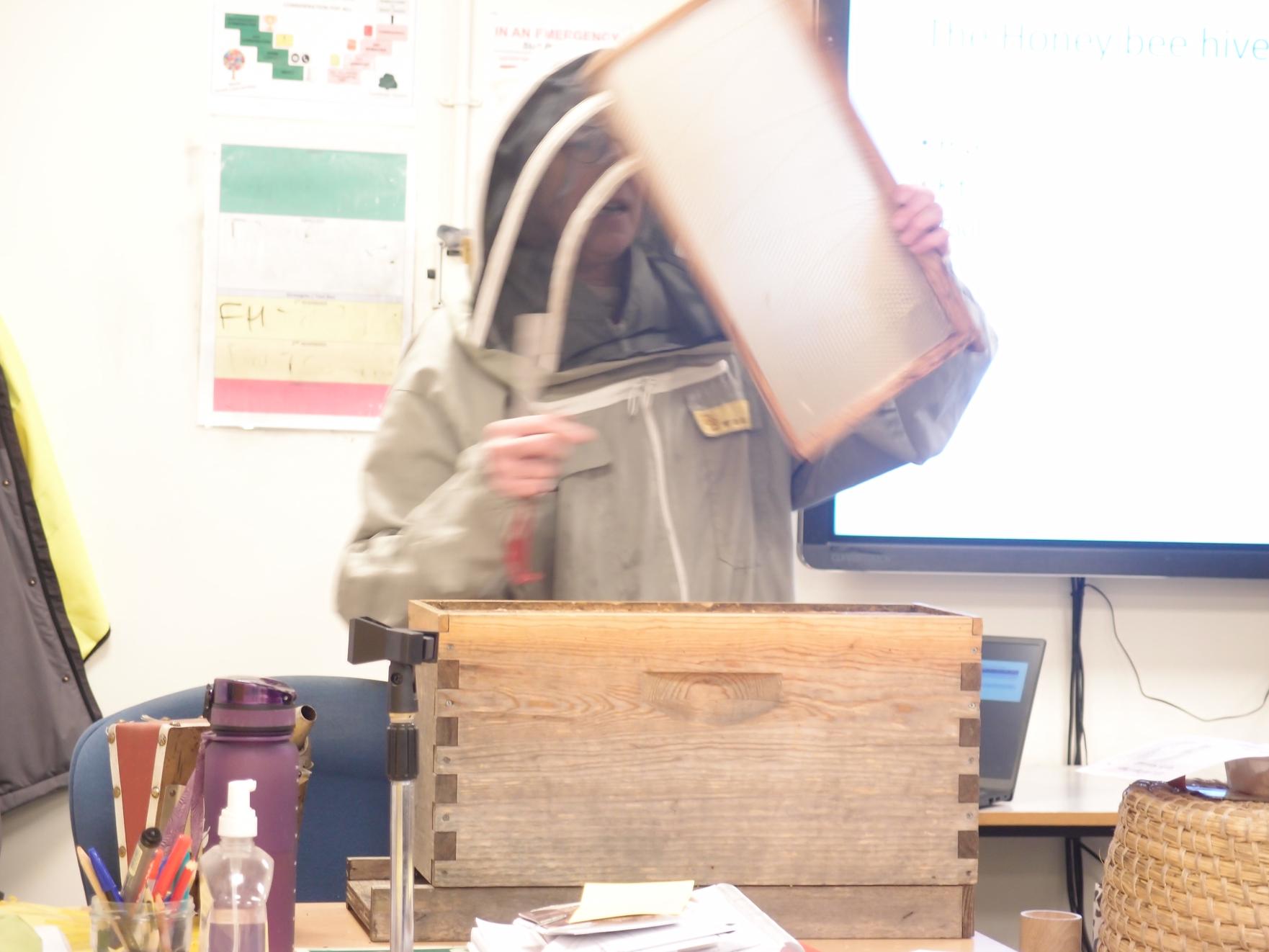
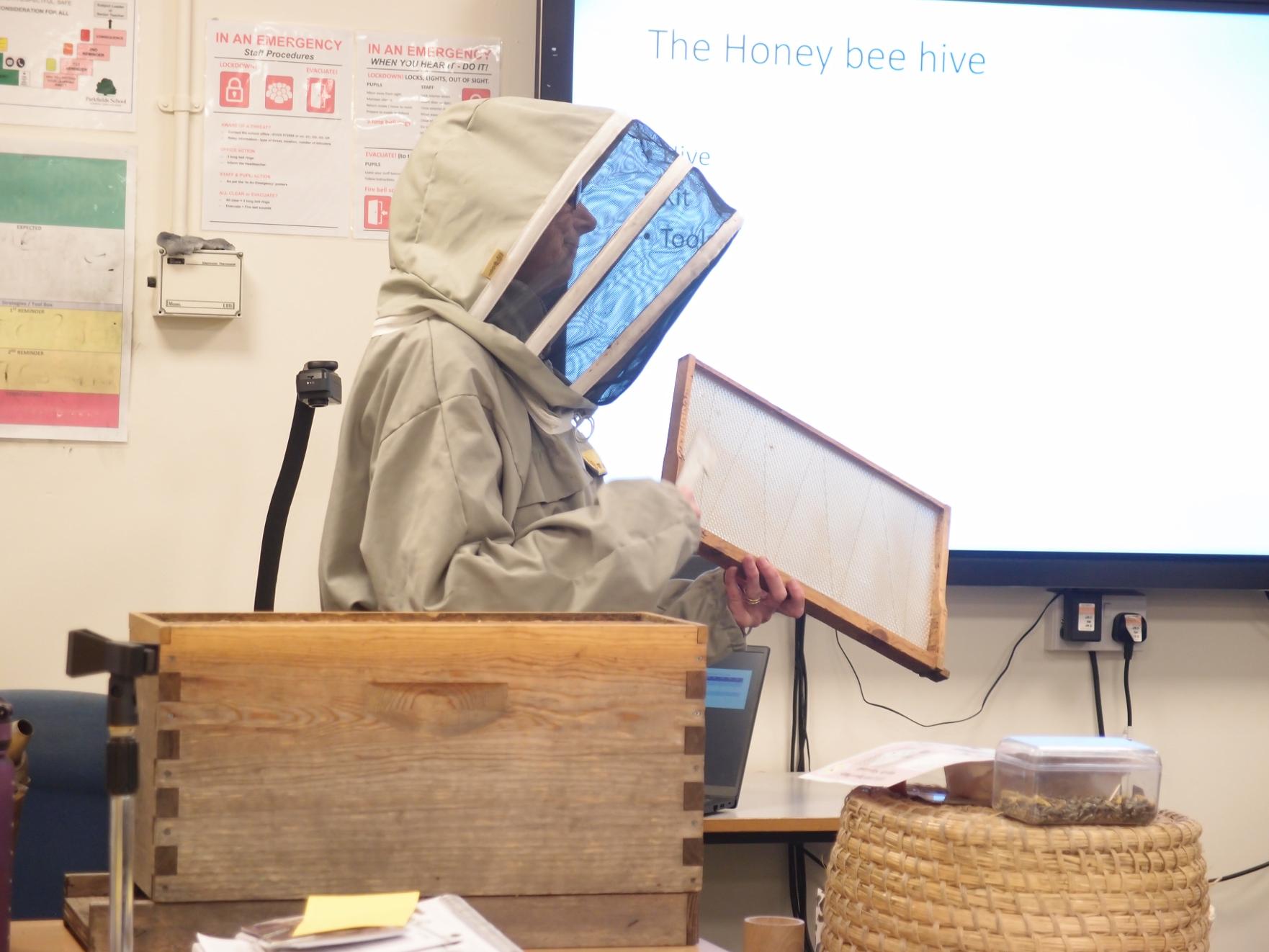
Science Day - 9th March 2023 - H2O
Explosive Science
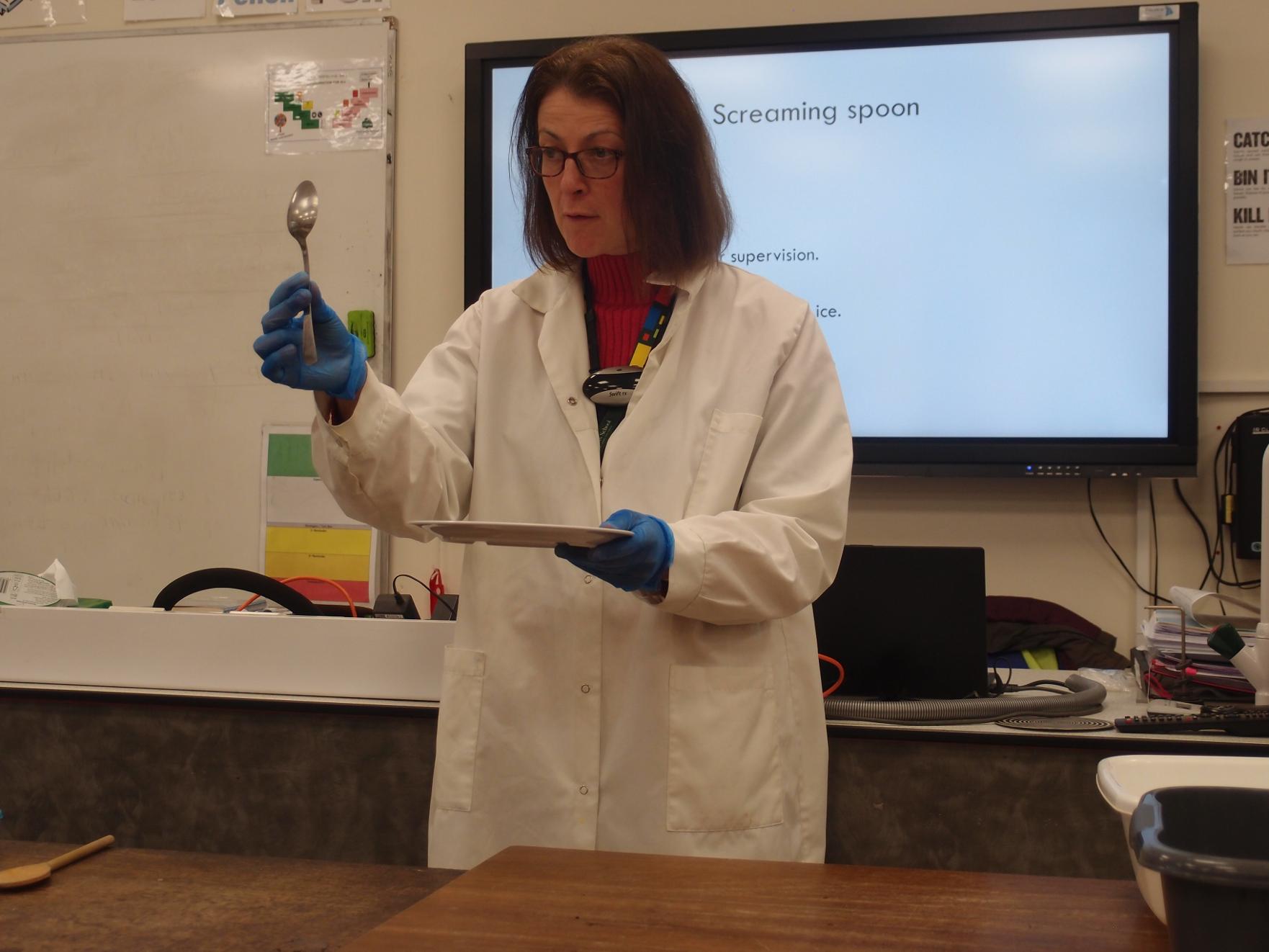
Screaming Spoon
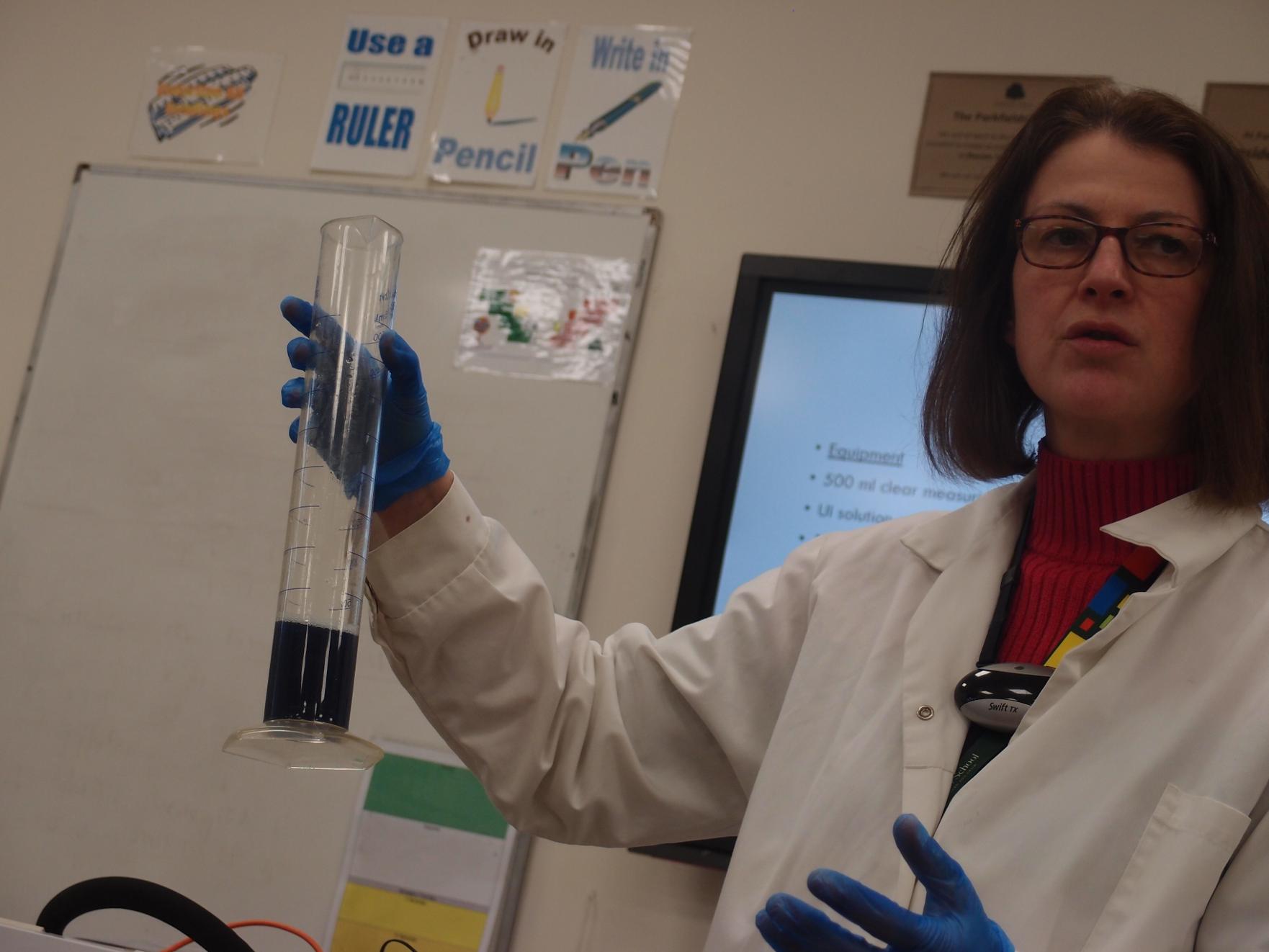
Universal Indicator Demo
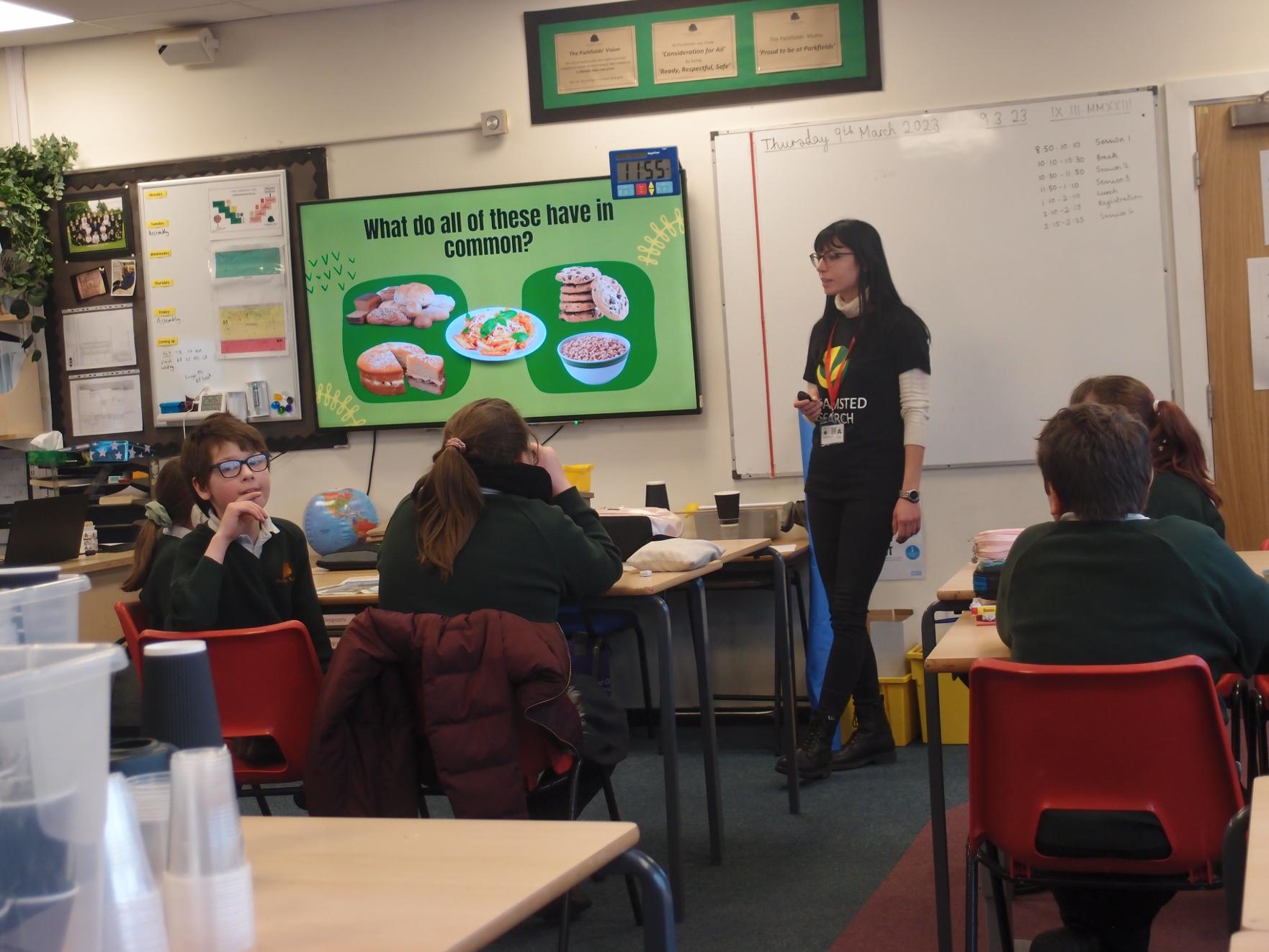
Science Day 9th March 2023